





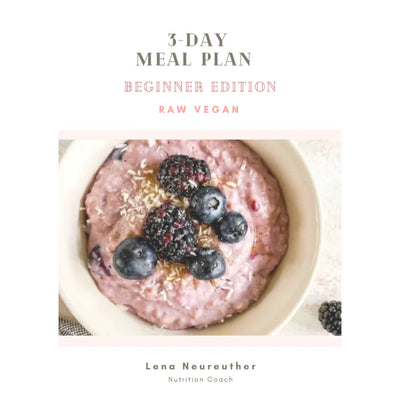

 Lena Neureuther

 Health & Nutrition
The Grape Cure - Powerful Detoxification
Grapes - the most powerful fruit of all! This chance to naturally regenerate your body should never be...
Pastry
SlicesChocolate shop
DiamondsFine Foods
Mylkies Creams Soft WhipsSelection
Bundles Gift voucherLiterature
E-books All products Almond Tarte Slice
from 3,20 €
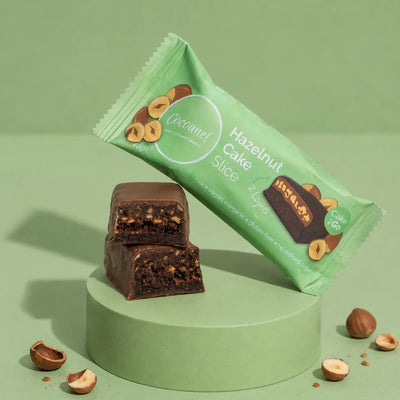 Hazelnut Cake Slice
from 3,20 €
 Coconut Cream Slice
from 3,20 €
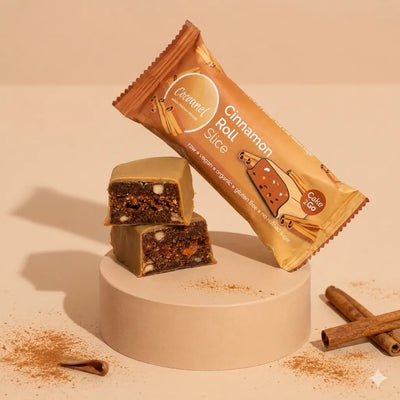 Cinnamon Roll Slice
from 3,20 €
View all
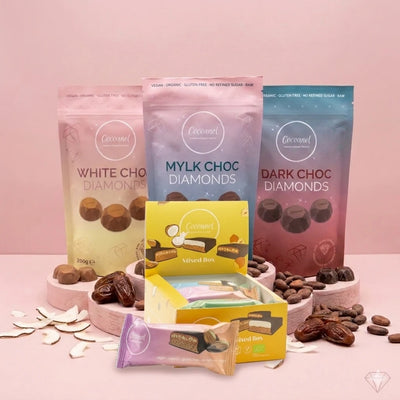
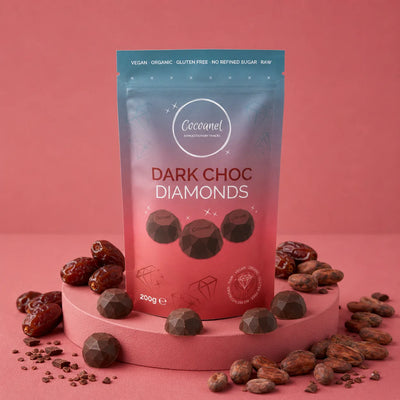 Dark Choc Diamonds
from 14,95 €
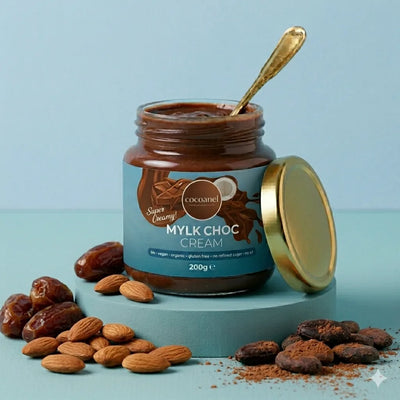
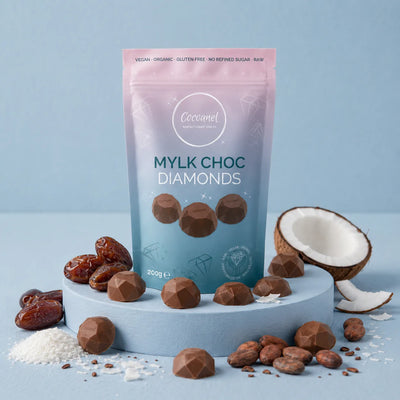 Mylk Choc Diamonds
from 14,95 €
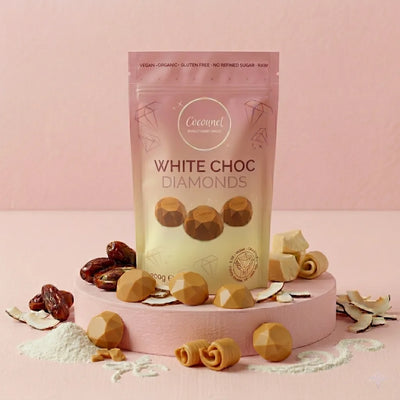 White Choc Diamonds
from 14,95 €
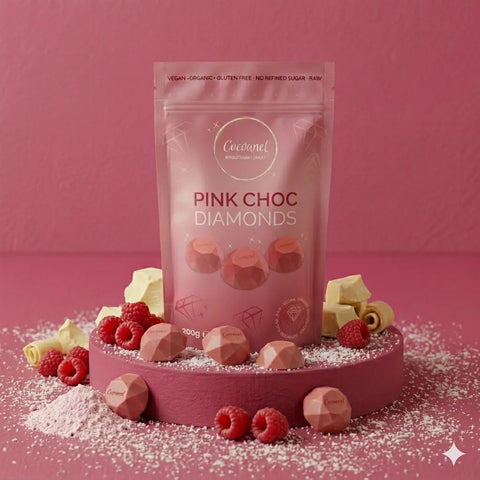
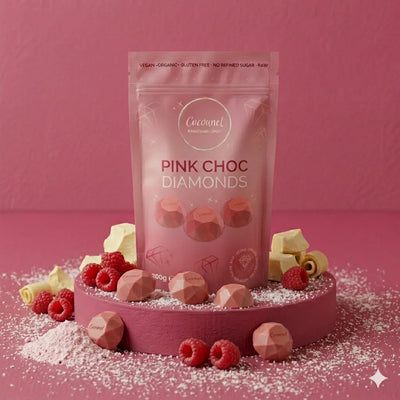 Pink Choc Diamonds
from 14,95 €
View all
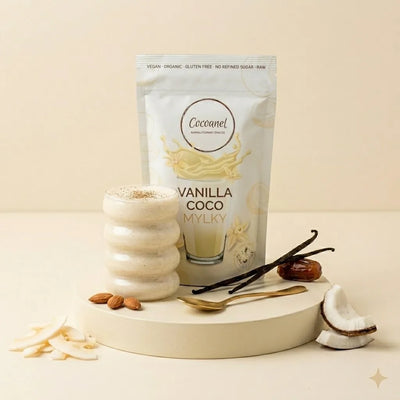 Vanilla Coco Mylky
from 14,00 €
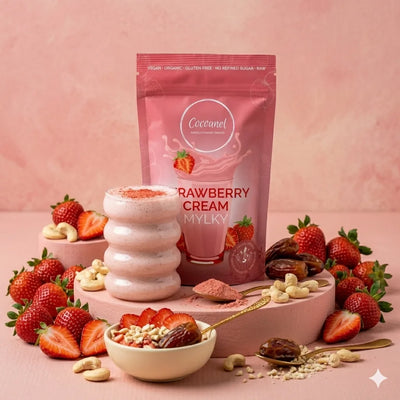 Strawberry Cream Mylky
from 14,00 €
 Hemp Choc Mylky
from 14,00 €
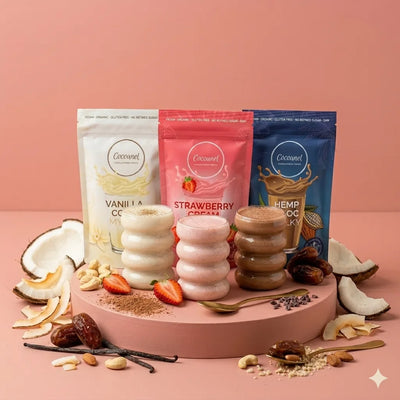 Mylky Bundle
from 39,00 €
View all
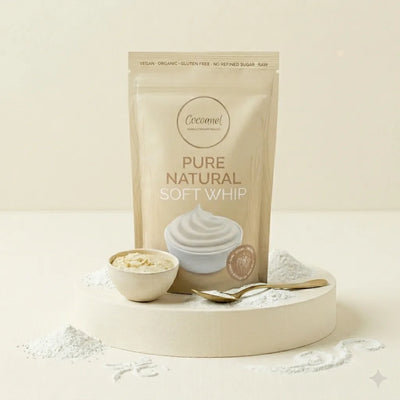 Pure Natural Soft Whip
from 19,95 €
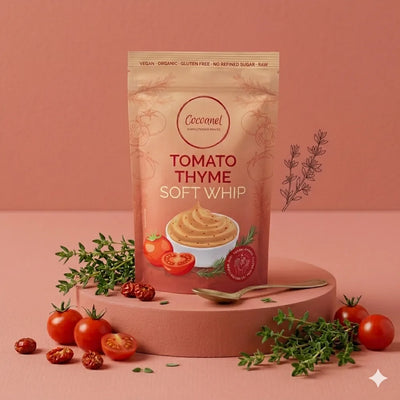 Tomato Thyme Soft Whip
from 19,95 €
 Herbal Onion Soft Whip
from 19,95 €
 Soft Whips Mixed Bundle
from 56,00 €
View all

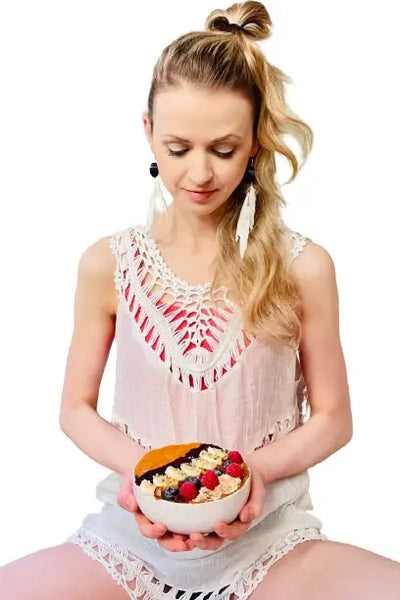
Green smoothie bowls with lots of fruit fit perfectly into an HCLF diet.
Hello carb-friends!
Have you ever heard the term HCLF? Surely, because it is currently on everyone's lips. HCLF stands for High Carb Low Fat, a diet that is especially appreciated by vegans. You will find out exactly what it is about if you keep reading.
The High Carb Low Fat diet is practiced largely by vegans and followers of a “Whole Food-Plantbased” diet. This is about getting the majority of your calories from carbohydrates and only consuming a small or adequate amount of fat and protein. The distribution of nutrients varies slightly here, some follow the 80/10/10 rule (carbohydrates/fat/protein), others live by the 60/20/20 principle, there is no fixed guideline to follow, but rather it is about listening to your body and adjusting the protein and fat intake depending on your lifestyle. Some may need a little more fat and protein to feel well due to certain life circumstances, others only very little.
The fact is that you should be somewhere between the above values to be able to call your diet HCLF and benefit from its advantages.
What needs to be considered, however, is that carbohydrates are not all the same, there are “good” and “bad” carbohydrates. An HCLF diet should exclusively contain healthy carbohydrates. This means you get most of your energy from fruit and vegetables (= the healthiest carbohydrate source). Refined flour products such as conventional bread, cakes, pastries, muffins, as well as industrial sugar should definitely be avoided.
Isolated oils must also be completely removed from the diet to achieve optimal health benefits. (Read my article about fat here too!).
So what exactly does an HCLF diet look like?
You eat a lot of fruit, also in the form of juice, smoothies, and smoothie bowls.
Green leafy vegetables and fruit vegetables (cucumbers, zucchini, tomatoes, bell peppers, okra) (ideally raw), can also be on the menu.
Additionally, foods such as dried fruit (especially dates) and “superfoods” (maca, mesquite, baobab, chlorella, spirulina…) can be incorporated.
A small amount of whole fats can also make sense depending on your life situation.
Healthy fat sources are, for example:
Avocados, hemp seeds, coconut, cashews, almonds, macadamias, Brazil nuts, pecans, walnuts, flaxseeds, chia seeds, sunflower seeds, pumpkin seeds, sesame, olives, etc…
The idea behind this diet is that you get full on fresh, plant-based foods, you should under no circumstances restrict your calorie intake or count calories, because if you eat exclusively plant-based foods, weight gain is very, very unlikely. The high fiber content provides good satiety, while simultaneously having a relatively low calorie density. Due to the large proportion of vegetables and fruit, optimal nutrient supply is ensured (if consumed raw) and you do not need to worry about deficiencies.
Below I list some foods that fit into an HCLF diet:

Basically, the HCLF diet does not prescribe that all foods should be consumed in raw food quality. Nevertheless, I highly recommend this, because when foods are heated above 42C°, nutrients are always destroyed and toxins are formed.
I hope that was helpful and I wish you lots and lots of fun with a healthy high-carb diet.
About the author
Dancer, nutrition trainer (B & A licence) and founder of Cocoanel. She writes about raw vegan food, sport and enjoyment without going without.
Nourished by Cocoanel
Knowledge, exchange and inspiration around the raw, natural lifestyle every week.
Read more
Health & NutritionGrapes - the most powerful fruit of all! This chance to naturally regenerate your body should never be...
 Health & Nutrition
The number one cause of death in Western countries: Far too little fruit consumption! Those who abstain from...
 Health & Nutrition
Fruit and fructose can never lead to fatty liver - here is the truth about fatty liver!
 Health & Nutrition
Carotenoid Warning: Why Persimmons Are Not Always Harmless.
 Health & Nutrition
Myths about raw food—unfortunately, there are quite a few. To avoid confusion and truly understand what is healthy...
 Health & Nutrition
Raw food vs. cooked food - what you need to know! Very important and crucial for your health.
Newsletter
Plus Lena’s 14-day e-book for changing your diet, with a meal plan. You’ll be the first to get new recipes and offers.