





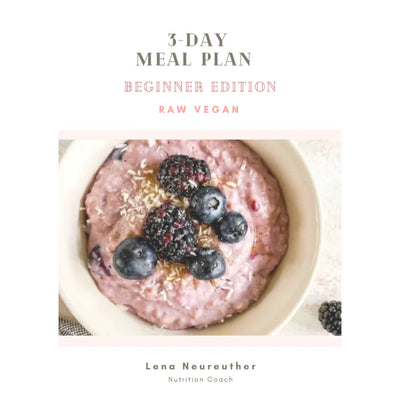

 Lena Neureuther

 Health & Nutrition
The Grape Cure - Powerful Detoxification
Grapes - the most powerful fruit of all! This chance to naturally regenerate your body should never be...
Pastry
SlicesChocolate shop
DiamondsFine Foods
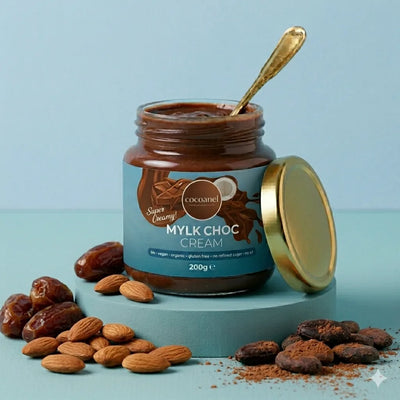
Mylkies Creams Soft WhipsSelection
Bundles Gift voucherLiterature
E-books All products Almond Tarte Slice
from 3,20 €
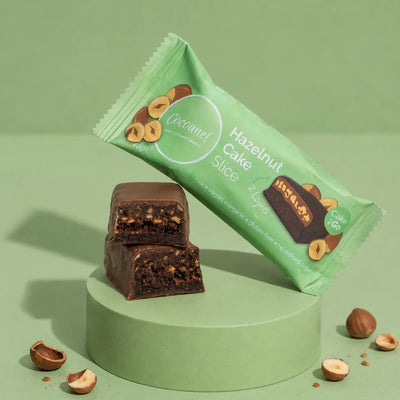 Hazelnut Cake Slice
from 3,20 €
 Coconut Cream Slice
from 3,20 €
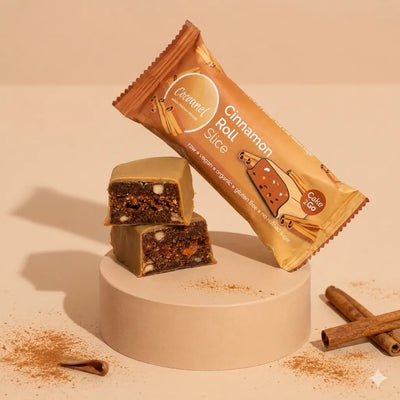 Cinnamon Roll Slice
from 3,20 €
View all
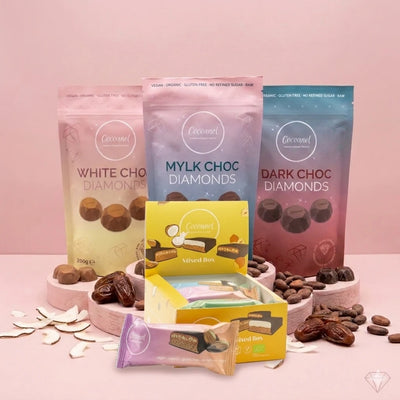
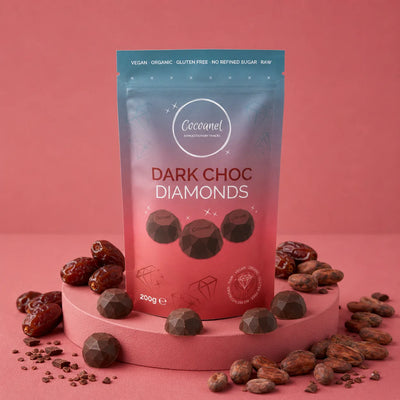 Dark Choc Diamonds
from 14,95 €
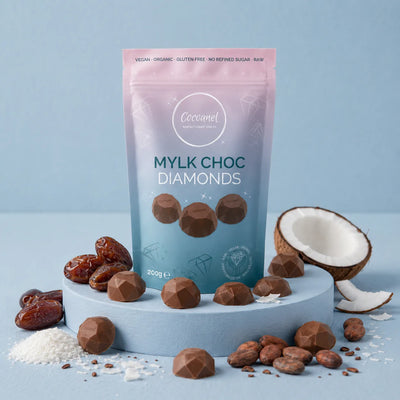 Mylk Choc Diamonds
from 14,95 €
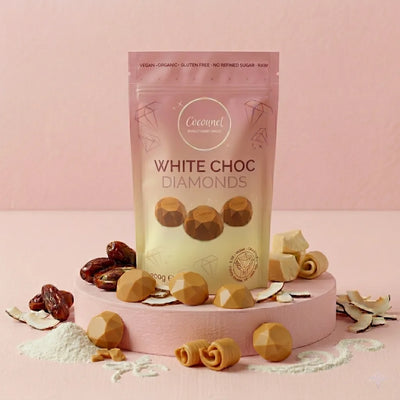 White Choc Diamonds
from 14,95 €
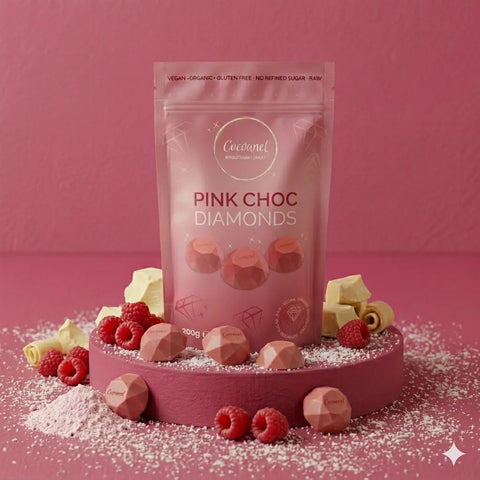
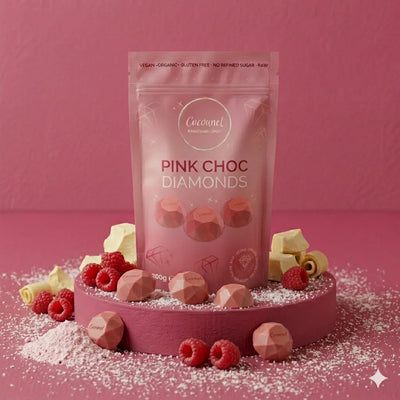 Pink Choc Diamonds
from 14,95 €
View all
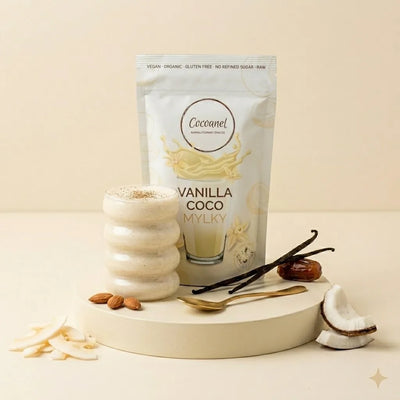 Vanilla Coco Mylky
from 14,00 €
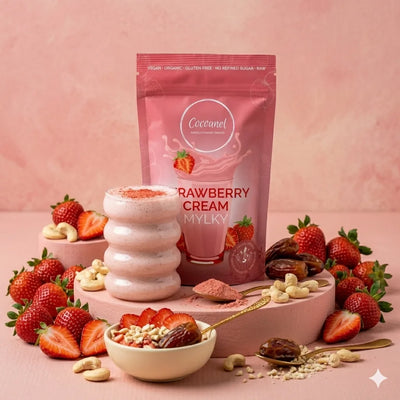 Strawberry Cream Mylky
from 14,00 €
 Hemp Choc Mylky
from 14,00 €
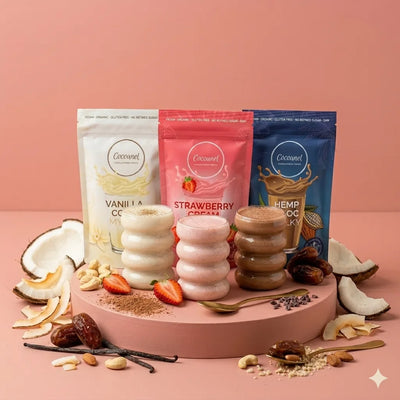 Mylky Bundle
from 39,00 €
View all
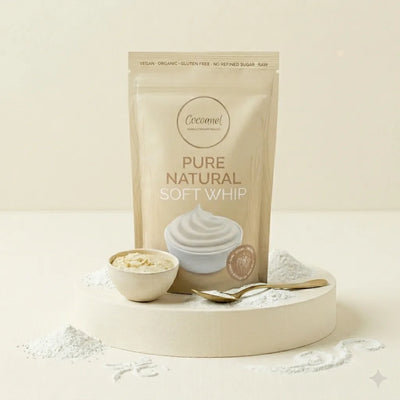 Pure Natural Soft Whip
from 19,95 €
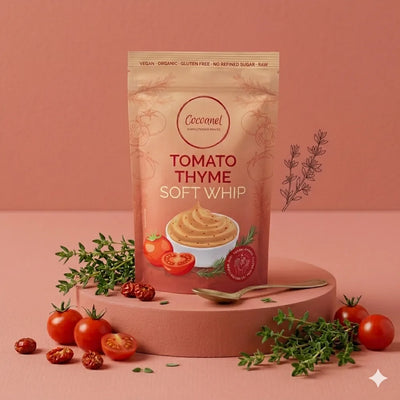 Tomato Thyme Soft Whip
from 19,95 €
 Herbal Onion Soft Whip
from 19,95 €
 Soft Whips Mixed Bundle
from 56,00 €
View all
In today's post, you will learn why it makes sense to cut oil completely out of our diet. Oil is often promoted as healthy, and especially cold-pressed, plant-based oils are supposedly beneficial for your health in many ways. But you will read here why this is definitely not the case:

Oil is pure fat. It is produced in oil mills using nuts or oilseeds that have a high fat content. These oil fruits are pressed and the fat is isolated. There are cold- and hot-pressing methods, and sometimes solvents are also used to facilitate the extraction of the fats. Oil is therefore a highly processed food—pure, isolated fat. It can no longer be described as natural. All the valuable nutrients contained in the oil fruits (fiber, vitamins, minerals, secondary plant compounds) are no longer present in the oil. It therefore provides the body with no nutrients at all.
Fat has about twice as many calories as carbohydrates and proteins, but the body cannot utilize these calories because it is isolated fat, which is directly stored and saved in the form of body fat. In addition, fat provides very little to no satiety because it has hardly any volume. For example, 3 tablespoons of oil contain almost 400 kcal, but after 3 tablespoons of oil you will not feel full. If, on the other hand, you consume 400 kcal in the form of vegetables and complex carbohydrates, you will finish your meal feeling satisfied and optimally supplied with nutrients. Vegetables simply have much more volume, so your stomach becomes completely full.
Plant oils also increase LDL cholesterol, as well as triglycerides, which clump the blood and make it thicker and cloudier. A high-fat meal therefore reduces blood circulation, the oxygen content in the blood decreases, and the body is supplied with oxygen only in a weakened form. This is why many people also experience sudden fatigue and sluggishness after a high-fat meal. This is often blamed on carbohydrates, but in reality, carbohydrates provide us with energy and it is the fats that make us tired and sluggish.
Due to the negative effects on blood and fat levels, oil is a cause of heart disease, stroke, type 2 diabetes, and obesity.
Since oils have an unbalanced ratio of omega-3 and omega-6 fatty acids, they are not recommended for a healthy diet, especially because this imbalance of fatty acids has a pro-inflammatory effect.
Of course, the body needs fat, for example, it is essential for hormone production! But:
Almost every food contains fat, even if we eat a high-carb, low-fat diet, we get enough fat from plant sources.
Here are a few examples (fat content/100g):

So if we mainly eat plant-based foods, we do not need additional isolated fat! The body uses only about 4% of the fat we consume for fat digestion and hormone production. The remaining 96% is stored as reserve fat. Thus, it is clear that a large part of the population has a significantly too high fat intake.
However, what is advisable is to obtain fat from whole foods, as you also consume fiber, vitamins, etc. at the same time, which is much more useful for our body than pure fat in isolated form. Examples of healthy fat sources are:
Avocados, nuts, coconut, seeds, and olives.
However, you should not overdo it with these foods either, but in moderation they are harmless and quite nutritious.
Conclusion:
Have fun with your low-fat diet!

About the author
Dancer, nutrition trainer (B & A licence) and founder of Cocoanel. She writes about raw vegan food, sport and enjoyment without going without.
Nourished by Cocoanel
Knowledge, exchange and inspiration around the raw, natural lifestyle every week.
Read more
Health & NutritionGrapes - the most powerful fruit of all! This chance to naturally regenerate your body should never be...
 Health & Nutrition
The number one cause of death in Western countries: Far too little fruit consumption! Those who abstain from...
 Health & Nutrition
Fruit and fructose can never lead to fatty liver - here is the truth about fatty liver!
 Health & Nutrition
Carotenoid Warning: Why Persimmons Are Not Always Harmless.
 Health & Nutrition
Myths about raw food—unfortunately, there are quite a few. To avoid confusion and truly understand what is healthy...
 Health & Nutrition
Raw food vs. cooked food - what you need to know! Very important and crucial for your health.
Newsletter
Plus Lena’s 14-day e-book for changing your diet, with a meal plan. You’ll be the first to get new recipes and offers.