





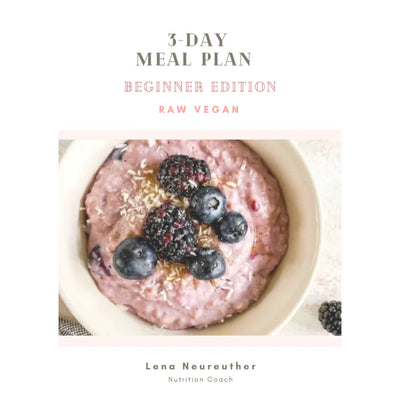

 Lena Neureuther

 Health & Nutrition
The Grape Cure - Powerful Detoxification
Grapes - the most powerful fruit of all! This chance to naturally regenerate your body should never be...
Pastry
SlicesChocolate shop
DiamondsFine Foods
Mylkies Creams Soft WhipsSelection
Bundles Gift voucherLiterature
E-books All products Almond Tarte Slice
from 3,20 €
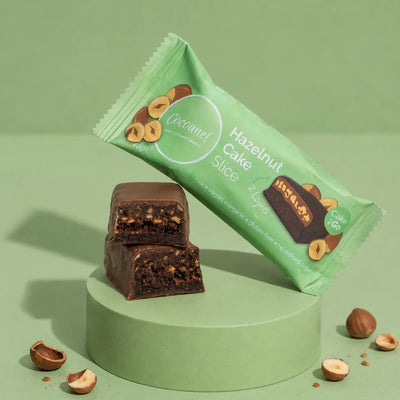 Hazelnut Cake Slice
from 3,20 €
 Coconut Cream Slice
from 3,20 €
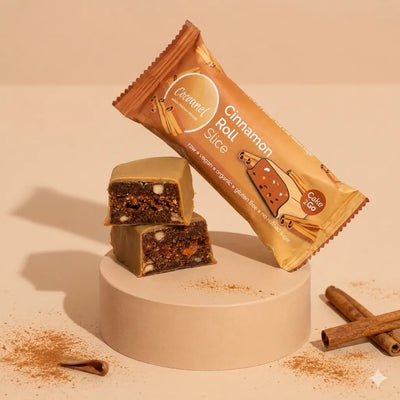 Cinnamon Roll Slice
from 3,20 €
View all
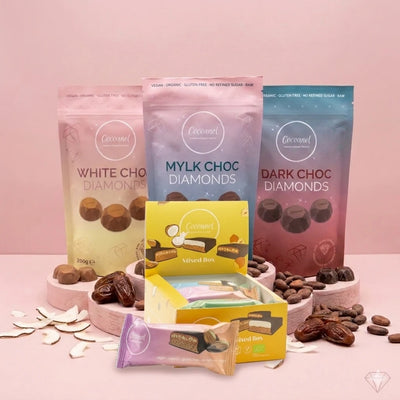
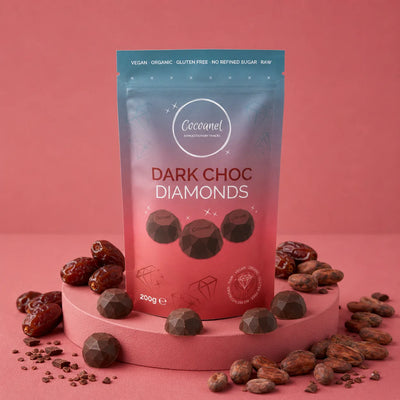 Dark Choc Diamonds
from 14,95 €
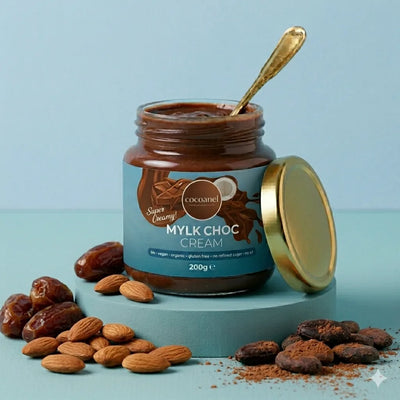
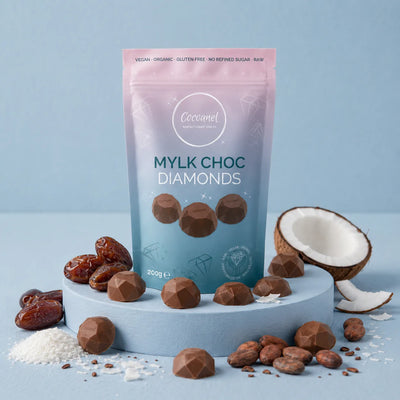 Mylk Choc Diamonds
from 14,95 €
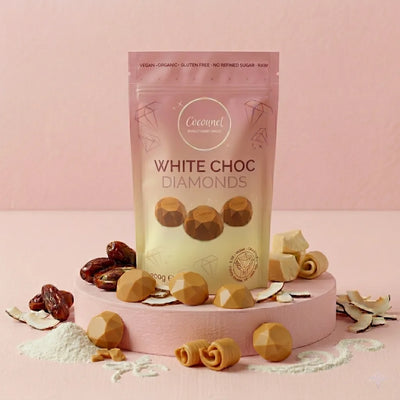 White Choc Diamonds
from 14,95 €
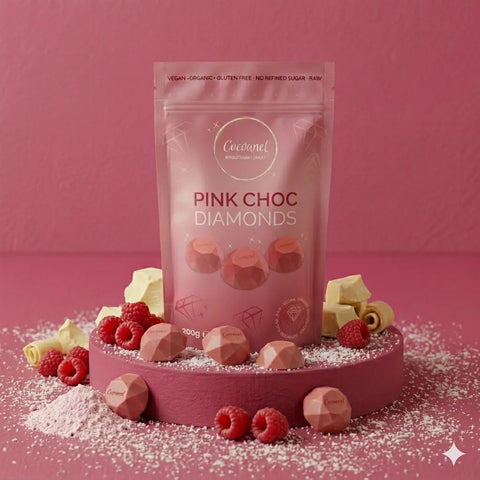
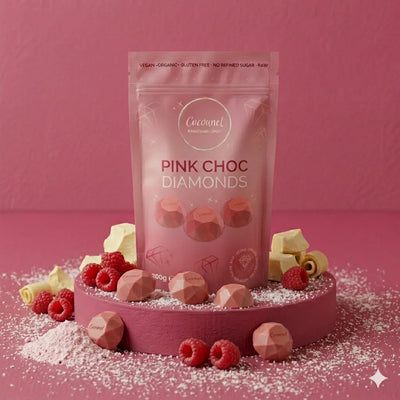 Pink Choc Diamonds
from 14,95 €
View all
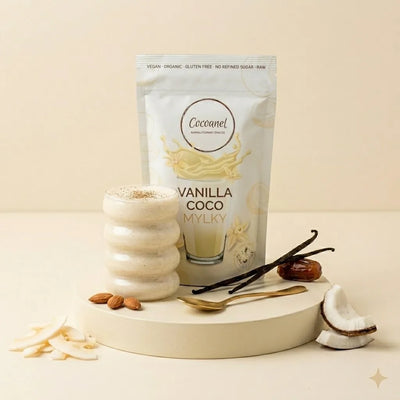 Vanilla Coco Mylky
from 14,00 €
 Strawberry Cream Mylky
from 14,00 €
 Hemp Choc Mylky
from 14,00 €
 Mylky Bundle
from 39,00 €
View all
 Pure Natural Soft Whip
from 19,95 €
 Tomato Thyme Soft Whip
from 19,95 €
 Herbal Onion Soft Whip
from 19,95 €
 Soft Whips Mixed Bundle
from 56,00 €
View all

Hello everyone!
Swimming liberates, swimming trains, swimming is fun, swimming refreshes!
In short, swimming is a sensible sport to kill several birds with one stone. Which muscle groups are trained during swimming, how many calories you burn, and what else is worth knowing, you will find out in this post:
Swimming is the ideal sport to train your fitness and muscles at the same time. It is considered effective cardiovascular training and trains the heart muscle. Because the water pressure compresses the blood vessels at the skin surface, the blood is pushed back into the chest cavity, and the heart has to work hard against it. As a result, the heart volume gradually increases, the heart rate decreases, and the body becomes more efficient and stable.
In addition, regular swimming training keeps the legs well-supplied with blood, which in turn strengthens the veins. The respiratory muscles are also strengthened, as inhaling is made more difficult by the water pressure. The joints remain completely spared, which is why swimming is also suitable for people who struggle with other sports (joint or back problems, overweight). In the water, we only carry 1/7 of our body weight.
Whether breaststroke, crawl, or backstroke, every swimming style evenly engages all muscle groups. This builds muscle all around, leading to a toned, defined body (provided your diet is on point!).
As cardiovascular training, swimming is also optimal, because anyone who has ever swum briskly for more than 30 minutes at a time knows how strenuous it is. So swimming has little to do with "going for a dip" and is just as effective as jogging, only much gentler on the joints.
A lot of calories are burned while swimming, and through sustained muscle building, the basal metabolic rate (i.e., calorie consumption at rest) increases. A study by the Institute for Prevention and Aftercare (IPN) has shown that energy and fat consumption while swimming is just as high as when cycling. One hour of breaststroke burns approx. 531 kcal, while one hour of crawl burns approx. 900 kcal.
I hope these were enough arguments to take the plunge into the cold water. Anyone who firmly incorporates swimming training into their weekly routine will soon benefit from the advantages.


About the author
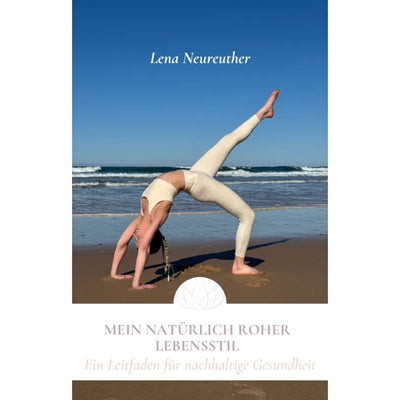
Dancer, nutrition trainer (B & A licence) and founder of Cocoanel. She writes about raw vegan food, sport and enjoyment without going without.
Nourished by Cocoanel
Knowledge, exchange and inspiration around the raw, natural lifestyle every week.

Read more
Health & NutritionGrapes - the most powerful fruit of all! This chance to naturally regenerate your body should never be...
 Health & Nutrition
The number one cause of death in Western countries: Far too little fruit consumption! Those who abstain from...
 Health & Nutrition
Fruit and fructose can never lead to fatty liver - here is the truth about fatty liver!
 Health & Nutrition
Carotenoid Warning: Why Persimmons Are Not Always Harmless.
 Health & Nutrition
Myths about raw food—unfortunately, there are quite a few. To avoid confusion and truly understand what is healthy...
 Health & Nutrition
Raw food vs. cooked food - what you need to know! Very important and crucial for your health.
Newsletter
Plus Lena’s 14-day e-book for changing your diet, with a meal plan. You’ll be the first to get new recipes and offers.