









 Health & Nutrition
The Grape Cure - Powerful Detoxification
Grapes - the most powerful fruit of all! This chance to naturally regenerate your body should never be...
Pastry
SlicesChocolate shop
DiamondsFine Foods
Mylkies Creams Soft WhipsSelection
Bundles Gift voucherLiterature
E-books All products Almond Tarte Slice
from 3,20 €
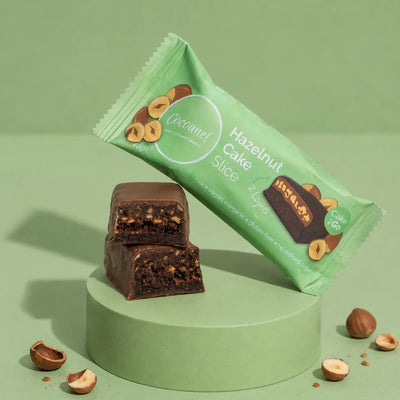 Hazelnut Cake Slice
from 3,20 €
 Coconut Cream Slice
from 3,20 €
 Cinnamon Roll Slice
from 3,20 €
View all
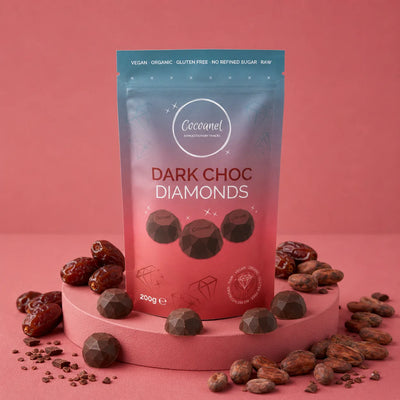 Dark Choc Diamonds
from 14,95 €
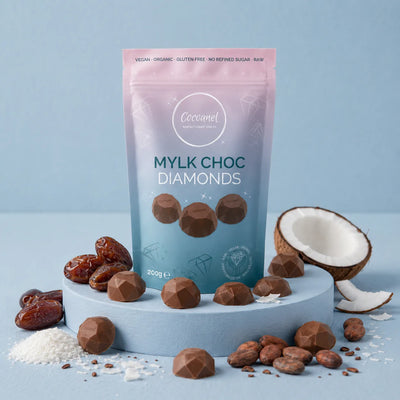 Mylk Choc Diamonds
from 14,95 €
 White Choc Diamonds
from 14,95 €
 Pink Choc Diamonds
from 14,95 €
View all
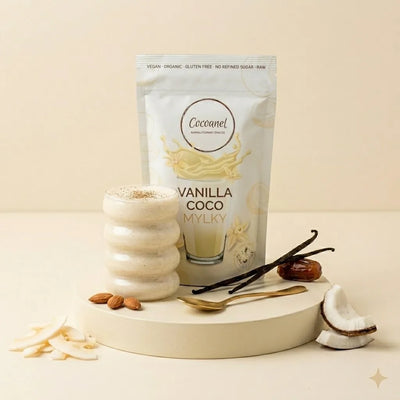 Vanilla Coco Mylky
from 14,00 €
 Strawberry Cream Mylky
from 14,00 €
 Hemp Choc Mylky
from 14,00 €
 Mylky Bundle
from 39,00 €
View all
 Pure Natural Soft Whip
from 19,95 €
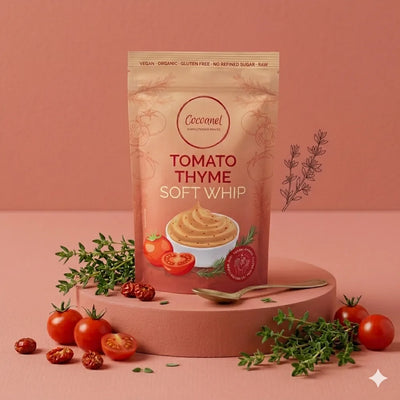 Tomato Thyme Soft Whip
from 19,95 €
 Herbal Onion Soft Whip
from 19,95 €
 Soft Whips Mixed Bundle
from 56,00 €
View all
Malnutrition on a raw food diet—it doesn't have to be, and it shouldn't be! Here's how to get everything you need.
 Lena Neureuther

A raw food diet enjoys a reputation for being particularly pure, healthy, and natural. Fresh fruit, greens, vegetables, seeds, and nuts – it sounds like pure vitality. But as is so often the case, the devil is in the details. Raw food diet beginners, in particular, can quickly fall into the trap of unconscious malnutrition. In this post, we shed light on the most common reasons for this and clarify what to look out for so that a healthy change doesn't turn into a health risk - and then it goes again: “The raw food diet didn’t work for me” 🙄
A common mistake among raw food newbies is the drastic reduction of calorie intake. Raw vegetables and fruit contain a lot of water and fiber, but comparatively few calories. Those who are used to feeling full with a plate of pasta or bread quickly underestimate the quantities needed in the raw food world.
A large salad may look impressive, but it only provides a fraction of the energy of a processed, (dead-)cooked dish, with zero nutrients but many calories! The result: lack of energy, weakness, weight loss, and malnutrition in the long term.
Tip: Fruit should make up the main part of a raw food diet. Only those who consume enough fruit will be permanently successful with it.
Raw food often comes with a new spiritual openness. This is not negative per se – but some lose themselves in extreme ideas: light nourishment, endless periods of fasting, or the idea of being able to live on light energy alone are trends that sadly circulate in raw food circles.
These spiritual concepts can lead to neglecting the body, suppressing hunger, or even misinterpreting it as “detoxification.” The danger of serious malnutrition increases drastically.
Tip: Spiritual development and physical health should go hand in hand – not work against each other.
Fasting is great, but everything must be approached with the right approach! And after every fasting phase, a rebuilding phase should take place.
Many report headaches, weakness, skin rashes, or mood swings at the beginning of a raw food transition, the symptoms can look different for everyone. These symptoms are detoxification reactions. Toxins stored in the fatty tissue are released as soon as the body begins to restructure itself.
But here lies the danger too: The body is initially busy with breakdown processes and will not provide resources for rebuilding and cell regeneration. If the detoxification lasts too long and is not accompanied by sufficient nutrient intake, this can quickly lead to a state of malnutrition.
Tip: The detox phase needs support – physically and mentally. Slow transition, sufficient fluids, rest, and the right nutrient intake are crucial.
Another phenomenon: the fear of fructose. In some raw food circles, the opinion circulates that fruits are “too sweet” or “bad carbohydrates.” But fruits provide many of the urgently needed calories, vitamins (such as vitamin C), antioxidants, and secondary plant compounds.
Those who avoid fruit and instead eat exclusively vegetables risk an energy deficiency and will certainly run into trouble due to the lack of carbohydrates.
Tip: High-quality, ripe fruit is a cornerstone of the raw food diet – especially in combination with leafy greens. Anatomically speaking, we humans are frugivores (fruit-eaters), and we should accept this fact.
On the other hand, there are raw foodists who eat almost exclusively fruit (“fruitarians”). This can also become problematic. Green leafy vegetables, wild herbs, and algae provide important minerals such as iron, calcium, magnesium, and zinc – elements that are not always sufficiently present in fruit alone.
Without these nutrients, the body cannot remain healthy in the long term, no matter how “clean” or “natural” the diet appears. Those who grow their own fruit in the tropics and also incorporate fatty fruits, such as avocado and durian, as well as vegetable fruits, such as tomatoes, cucumbers, and zucchini, can remain well nourished on a purely fruit-based diet, but most people do not have this opportunity.
Tip: Salads, green juices, and smoothies are a valuable addition that should be on the daily menu. Tender green leafy vegetables, as well as bitter and dark green varieties, can be rotated as desired.
An often overlooked point: The intestinal tract of people who previously ate conventionally is often burdened with deposits, mucus, and putrefaction residues due to years of non-species-specific nutrition. This massively impairs the absorption capacity of nutrients – even if you now eat ideally. You are not what you eat, you are what you absorb!
The transition to raw food often brings a natural intestinal cleansing with it, but that takes time. In the meantime, temporary malnutrition can occur.
Tip: As soon as you notice that your gut is not working adequately, it is time for the juice cleanse. With this gentle cleansing, you ensure order and purity in the gut and can then fully enjoy raw food.
The raw food diet is a wonderful way to more vitality, clarity, and well-being. But as with everything in life, it requires knowledge, patience, and mindfulness. Malnutrition is not a sign of cleansing or spirituality – but a serious condition that should be avoided. The key lies, as so often, in the balance between naturalness and nutrient density, between spirituality and body awareness, between ideal and everyday life.
In our community “Nourished by Cocoanel”, we dive deep into such topics every week – with knowledge, exchange, and inspiration around the raw-vegan lifestyle.
👉 Become part of our group and strengthen your connection to yourself, your diet, and your health.
*If you have never properly cleansed your gut before, you should do so to avoid nutrient deficiencies in the future as well. This is only possible with a special juice cleanse protocol. Because the recipes of the juices must be designed and taken correctly so that the astringent effect can unfold and old deposits are finally loosened and eliminated.
TO THE JUICE CLEANSE

About the author
Dancer, nutrition trainer (B & A licence) and founder of Cocoanel. She writes about raw vegan food, sport and enjoyment without going without.
Nourished by Cocoanel
Knowledge, exchange and inspiration around the raw, natural lifestyle every week.

Read more
Health & NutritionGrapes - the most powerful fruit of all! This chance to naturally regenerate your body should never be...
 Health & Nutrition
The number one cause of death in Western countries: Far too little fruit consumption! Those who abstain from...
 Health & Nutrition
Fruit and fructose can never lead to fatty liver - here is the truth about fatty liver!
 Health & Nutrition
Carotenoid Warning: Why Persimmons Are Not Always Harmless.
 Health & Nutrition
Myths about raw food—unfortunately, there are quite a few. To avoid confusion and truly understand what is healthy...
 Health & Nutrition
Raw food vs. cooked food - what you need to know! Very important and crucial for your health.
Newsletter
Plus Lena’s 14-day e-book for changing your diet, with a meal plan. You’ll be the first to get new recipes and offers.