








 Lena Neureuther

 Health & Nutrition
The Grape Cure - Powerful Detoxification
Grapes - the most powerful fruit of all! This chance to naturally regenerate your body should never be...
Pastry
SlicesChocolate shop
DiamondsFine Foods
Mylkies Creams Soft WhipsSelection
Bundles Gift voucherLiterature
E-books All products Almond Tarte Slice
from 3,20 €
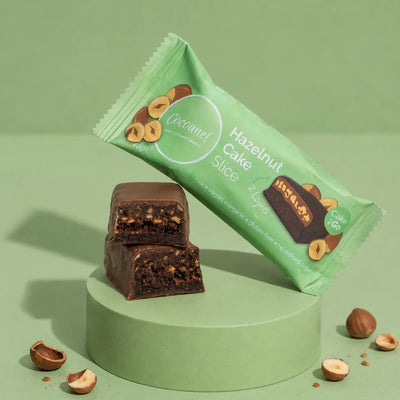 Hazelnut Cake Slice
from 3,20 €
 Coconut Cream Slice
from 3,20 €
 Cinnamon Roll Slice
from 3,20 €
View all
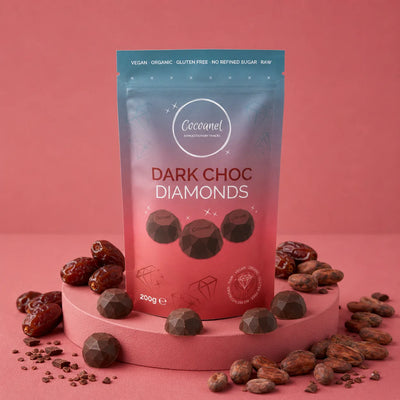 Dark Choc Diamonds
from 14,95 €
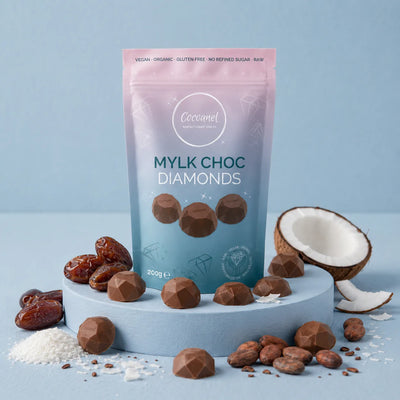 Mylk Choc Diamonds
from 14,95 €
 White Choc Diamonds
from 14,95 €
 Pink Choc Diamonds
from 14,95 €
View all
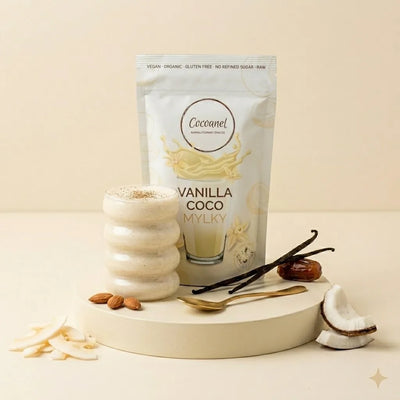 Vanilla Coco Mylky
from 14,00 €
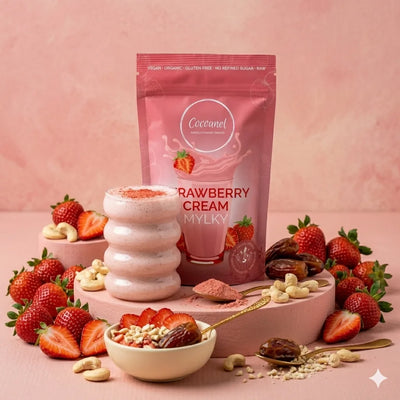 Strawberry Cream Mylky
from 14,00 €
 Hemp Choc Mylky
from 14,00 €
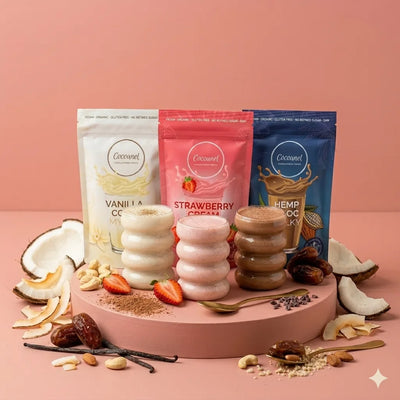 Mylky Bundle
from 39,00 €
View all
 Pure Natural Soft Whip
from 19,95 €
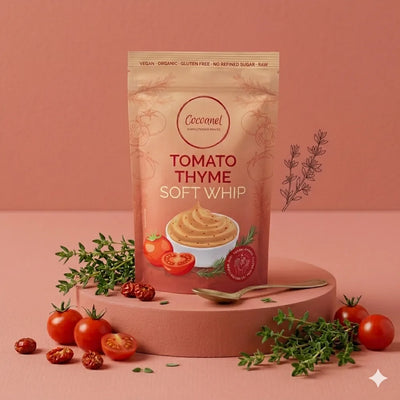 Tomato Thyme Soft Whip
from 19,95 €
 Herbal Onion Soft Whip
from 19,95 €
 Soft Whips Mixed Bundle
from 56,00 €
View all

Today I would like to share information about the health benefits of a strictly vegan diet here. It is a controversial topic that, like any other topic, also in terms of nutrition, finds its supporters and opponents!! Everyone should decide for themselves how they live, what they support and what they do not, but with a vegan diet, there is actually no choice left!! It does not sound very tolerant, but I know it is the only way to keep our planet, which we have already destroyed, alive. But more on this in the post Veganism Part 2: Environment.
Now it is only about the human body and the effect that a vegan diet has on it.
The fact is that our organism needs various nutrients to exist at all. These include proteins, or amino acids, carbohydrates and fats (macronutrients), as well as vitamins, minerals, macroelements, trace elements (micronutrients), fiber and much more. The question that is repeatedly asked: "Can the body be sufficiently supplied with a purely plant-based diet?" The answer is quite clear: "Yes"!!!!!
And much better than with an omnivorous diet.
1.Proteins:
They consist of amino acids, only from a certain number of amino acids chained together do we speak of a protein. Proteins are involved in all metabolic processes, they enable protein biosynthesis, enzymes and hormones consist of them, they contribute to the maintenance of muscle mass and and and… There are essential and non-essential amino acids, the latter can be formed by the body itself, however, the essential ones must be supplied through food. So if we supply all essential amino acids through food, the body forms the non-essential amino acids from them and ultimately assembles them into proteins. All plants contain all amino acids! It is therefore impossible to suffer from a protein deficiency if you eat plant-based. Plant protein does not burden the acid-base balance, contains no sulfur and is not carcinogenic, which is the case with animal protein. In addition, animal protein is consumed almost exclusively in heated form, however, proteins denature at a temperature above 42C°, and are no longer available to the body in this destroyed form. So anyone who wants to make intact protein available to their body, which they can actually utilize, should opt for unheated, plant-based amino acids.
2.Carbohydrates:
Carbohydrates are sugars that provide energy to the body. There is a distinction between mono-, di-, oligo- and polysaccharides. So simple, double, and multiple sugars. Simple sugars, such as glucose, go directly into the bloodstream, thus providing the body with quick energy in the short term. Oligo- and polysaccharides require more time to be metabolized, which is a great challenge for the body. You can find these complex carbohydrates, for example, in (gluten-free) "grains", starchy vegetables, such as potatoes, in nuts, seeds and much more. Simple carbohydrates, such as those found in fruit, are therefore ideal if you need energy quickly, the fiber contained in the fruit ensures a continuous rise and fall of the blood sugar level. Generally speaking, many people consume relatively too many complex carbohydrates (bread, rice, potatoes, cake…) this is partly because foods made from unhealthy carbohydrates are usually very cheap and available everywhere and due to the opiates contained in them, these carbohydrates are highly addictive! Nevertheless, there is also a movement in the opposite direction. There are more and more people who eat "low-carb". I will go into this diet in more detail in a separate article. However, it is certain that simple carbohydrates from fruit are the No. 1 energy source for the human body. Any deviation from this leads to health problems in the long term.
3.Fats:
Here too there are again different variants. Namely monounsaturated fatty acids, as well as mono- and polyunsaturated fatty acids. The body needs both- saturated, as well as unsaturated fatty acids. They are involved in the hormone and immune metabolism, for example. However, one should not consume too many saturated fatty acids, or fat in general, as this can in turn lead to an increased cholesterol level and numerous other health problems (diabetes, high blood pressure, heart diseases…). In addition, just like with proteins, there are essential fats that the body cannot produce itself. These include omega-3 and -6 fatty acids. Nutrition experts recommend a ratio of omega-6 to 3 fatty acids of 1:1. Omega-3 can be found, for example, in many plant seeds and in walnuts. Omega-6 fatty acids are also contained in plant seeds such as sesame, sunflower seeds and in large quantities in the Brazil nut. Fat should not make up more than 10-15% of the total energy/calories consumed per day. Every plant food contains essential fatty acids. Unhealthy cholesterol and also saturated fatty acids are only found in animal products. Once again, you are much better served with the plant-based option!
4.Vitamins:
Vitamins are organic compounds with a control function in the human metabolism. To this day, 13 vitamins are known, only 2 of which the body can produce itself. These are vitamin B3 and vitamin D. All others are essential and must be supplied through food. Some vitamins can be stored by the body for a long time, others require regular intake. All important functions in the body require vitamins, as co-enzymes, which enable the course of many processes in the first place. These are processes such as energy metabolism, cell growth or blood formation. A deficiency of one or more vitamins inevitably leads to deficiency symptoms. The 13 essential vitamins are:
1. Vitamin A (Retinol)
2. Vitamin B1 (Thiamine)
3. Vitamin B2 (Riboflavin)
4. Vitamin B3 (Niacin)
5. Vitamin B5 (Pantothenic acid)
6. Vitamin B6 (Pyridoxine)
7. Vitamin B7 (Biotin)
8. Vitamin B9 (Folic acid)
9. Vitamin B12 (Cobalamin)
10. Vitamin C (Ascorbic acid)
11. Vitamin D (Cholecalciferol)
12. Vitamin E (Tocopherol)
13. Vitamin K (Phillochinon)
The human organism can obtain all necessary vitamins from plant-based food. The intake of vitamin B12 is also not more difficult with a plant-based diet than with a diet containing animal products. Shiitake mushrooms and algae, for example, are excellent sources of vitamin B12. Only vitamin B12 is also contained in meat, because the animals are supplied with it in tablet form. So if you have concerns about not being supplied with enough vitamin B12, you can naturally supply it in the form of a dietary supplement. Thus, you also save the unnecessary detour through the animal. To be sufficiently supplied with all necessary vitamins, you should opt for a plant-based diet and not heat your food above 42C°. Animal products do not provide us with the necessary vitamins.
5.Macroelements:
The macroelements include calcium, chloride, potassium, magnesium, sodium, phosphorus. Here too there are no problems at all in obtaining them from a purely plant-based diet. Calcium-rich foods are, for example, broccoli, kale, soybeans, sesame, algae and much more. Chloride is found in foods such as parsley, celery, red cabbage, beets, broccoli, endive, rhubarb, eggplant, lettuce, spinach, potatoes, radishes, white cabbage, asparagus, cucumber, coconut, walnuts and much more. Dried fruit, apricots, bananas, raspberries, honeydew melon, blackcurrants, kiwi, all types of cabbage, pumpkin, salsify, celery, red bell pepper, tomatoes and fennel are rich in potassium. Magnesium can be found in foods such as bananas, dates, nuts, sunflower seeds, broccoli and mineral water is also an excellent source of magnesium. Sodium is supplied by foods such as celery, tomatoes, olives, spinach, chard and carrots. Phosphorus can be found in apples, pears, strawberries, grapefruit, cherries, mandarins, grapes, cauliflower, beans, lettuce, leeks, carrots, Brussels sprouts, spinach, hazelnuts and walnuts.
6.Trace elements:
Chromium, iron, fluoride, iodine, copper, manganese, molybdenum, selenium and zinc are among the trace elements that can also be taken up without problems and in sufficient quantities through a vegan diet. Chromium is contained in Brazil nuts, pears, tomatoes, mushrooms, broccoli, cucumbers, Brussels sprouts, corn, spinach, peanuts, almonds, lentils, bananas and much more. Iron-containing foods include pumpkin seeds, sesame, flaxseed, chanterelles, apricots and spinach. Fluoride can be found in small amounts in foods such as asparagus, rhubarb, plums, pineapple, blueberries and bananas. Algae are an excellent source of iodine for vegans, other plant foods such as mushrooms, broccoli, spinach, pumpkin seeds and peanuts also provide iodine. Copper is contained in sufficient quantities in cashews, cocoa, chicory, lamb's lettuce, celery, parsnips, mushrooms, horseradish, salsify and artichokes. Manganese is found mainly in dark green vegetables, but also various types of fruit, such as pineapple, berries, persimmon, cranberries, bananas and dried figs provide this trace element. Molybdenum is found in red cabbage, spinach, honeydew melon and much more. Selenium is found in foods such as coconuts, porcini mushrooms, pistachios, Brazil nuts, mung bean sprouts, corn and lentil sprouts. Zinc-containing foods are buckwheat, pumpkin seeds, nuts and seeds.
7.Fiber:
There are soluble and insoluble fibers, which mostly consist of carbohydrates. They theoretically have no nutritional value for humans, nevertheless, you should consume a sufficient amount of fiber, as they are of great importance for gut health and digestion. Insoluble fibers include, for example, cellulose, chitin, xanthan and arabinogalactans. These are the best known, although there are of course others. These fibers are mainly found in plant-based foods. Once again, a good reason in favor of a vegan diet. Fruit, vegetables, mushrooms and much more contain plenty of insoluble fiber. Soluble fibers are also predominantly found in plant-based foods. Examples of this are fructans, pectins, inulin, carrageenan, polydextrose and alginates. Chicory, Jerusalem artichoke, yacon, algae and apple peels are, among others, very rich in soluble fiber.

As can be seen from all the plant foods listed above, it is no problem to get all necessary nutrients with a vegan diet. With a plant-based diet, you are better supplied than with a diet containing animal products. The prerequisite for this is, of course, that you eat a balanced and varied diet, consume plenty of fiber through a high consumption of fruit and vegetables and opt for healthy fats and proteins in small quantities. Malnutrition only occurs if you eat the wrong foods. Everyone should pay attention to a varied diet with the right foods.

About the author
Dancer, nutrition trainer (B & A licence) and founder of Cocoanel. She writes about raw vegan food, sport and enjoyment without going without.
Nourished by Cocoanel
Knowledge, exchange and inspiration around the raw, natural lifestyle every week.

Read more
Health & NutritionGrapes - the most powerful fruit of all! This chance to naturally regenerate your body should never be...
 Health & Nutrition
The number one cause of death in Western countries: Far too little fruit consumption! Those who abstain from...
 Health & Nutrition
Fruit and fructose can never lead to fatty liver - here is the truth about fatty liver!
 Health & Nutrition
Carotenoid Warning: Why Persimmons Are Not Always Harmless.
 Health & Nutrition
Myths about raw food—unfortunately, there are quite a few. To avoid confusion and truly understand what is healthy...
 Health & Nutrition
Raw food vs. cooked food - what you need to know! Very important and crucial for your health.
Newsletter
Plus Lena’s 14-day e-book for changing your diet, with a meal plan. You’ll be the first to get new recipes and offers.