








 Lena Neureuther

 Health & Nutrition
The Grape Cure - Powerful Detoxification
Grapes - the most powerful fruit of all! This chance to naturally regenerate your body should never be...
Pastry
SlicesChocolate shop
DiamondsFine Foods
Mylkies Creams Soft WhipsSelection
Bundles Gift voucherLiterature
E-books All products Almond Tarte Slice
from 3,20 €
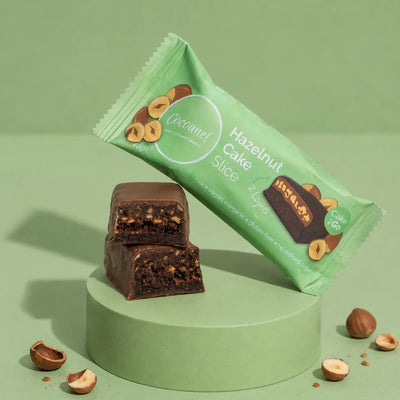 Hazelnut Cake Slice
from 3,20 €
 Coconut Cream Slice
from 3,20 €
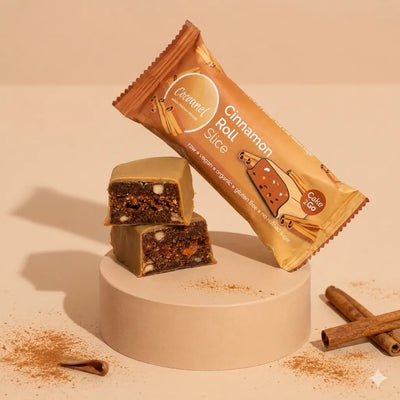 Cinnamon Roll Slice
from 3,20 €
View all
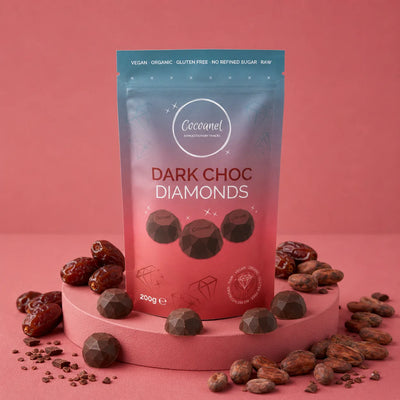 Dark Choc Diamonds
from 14,95 €
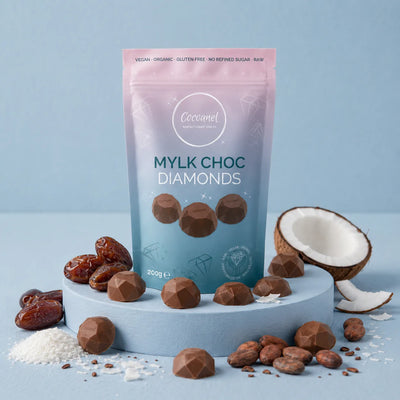 Mylk Choc Diamonds
from 14,95 €
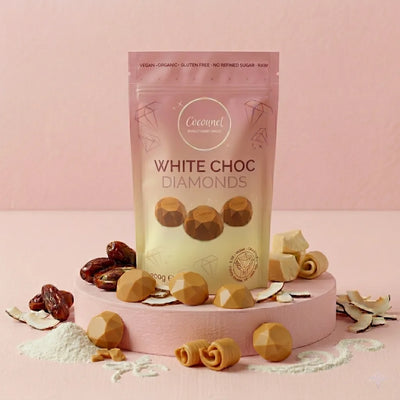 White Choc Diamonds
from 14,95 €
 Pink Choc Diamonds
from 14,95 €
View all
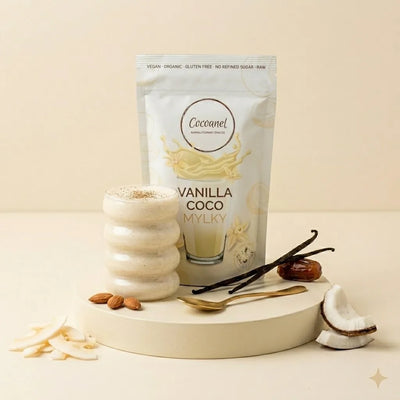 Vanilla Coco Mylky
from 14,00 €
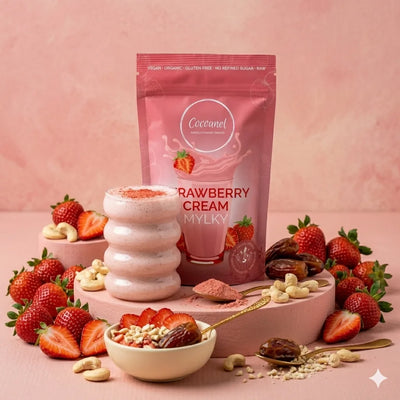 Strawberry Cream Mylky
from 14,00 €
 Hemp Choc Mylky
from 14,00 €
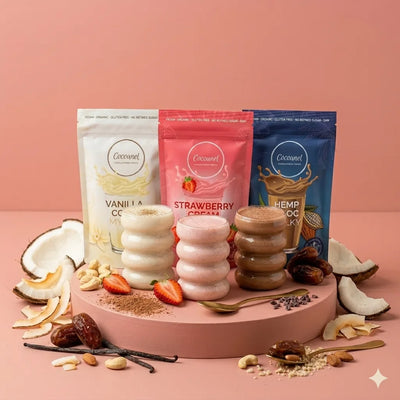 Mylky Bundle
from 39,00 €
View all
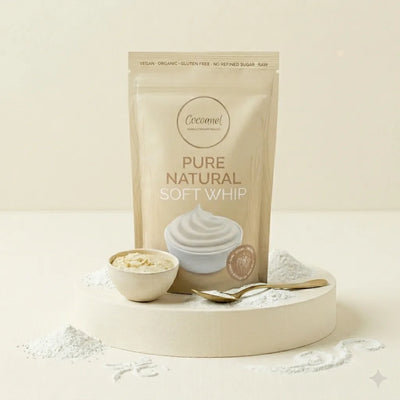 Pure Natural Soft Whip
from 19,95 €
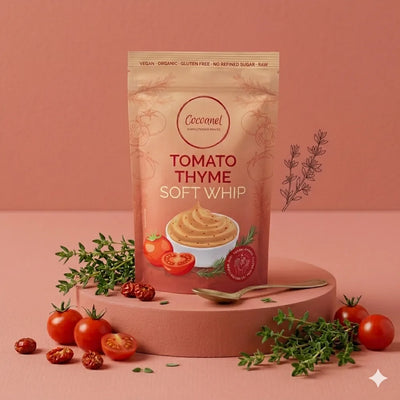 Tomato Thyme Soft Whip
from 19,95 €
 Herbal Onion Soft Whip
from 19,95 €
 Soft Whips Mixed Bundle
from 56,00 €
View all
So, you may have already read part 1 of this post, “Veganism Part 1 - Health Benefits”, which, as the title suggests, was about the health benefits of a purely plant-based diet. Now I would like to explain the benefits for the environment and address some ethical questions.

It is now clear that a plant-based diet brings many benefits. The body, the mind, and also the soul benefit from it. There is always a spiritual aspect involved in vegan nutrition. If someone becomes vegan only to achieve physical results, that is wonderful, but I think both sides should always be considered.
The environment - a huge topic and not exactly an easy one. Environmental disasters and pollution are increasing drastically, including: the extinction of many animal species and plant genera, famines, droughts, floods, hurricanes, forest fires, melting glaciers, food shortages, and shrinking habitats for various animal species, and and and… All triggered by us humans and industry. Factory farming and the production of highly processed foods are also responsible for our planet taking more and more damage and visibly suffering.
What can be achieved or improved with a plant-based diet?
A lot!
A plant-based diet conserves resources, because less water is used for the production of plant-based foods than for the production of meat, eggs, and dairy products. A full 86% of the water used worldwide is used to grow food, half of which serves as animal feed.
The so-called water footprint shows the amount of water required to produce a food item. To produce a steak, 4000l of water are required, a soy burger in comparison needs only 158l. It is 1050l for a liter of cow's milk, 297l on the other hand for the production of a liter of soy drink. To produce a kilogram of beef, an incredible 15,500l of water are required (With this amount of water you could shower daily for a year). How does this happen? The cow has to drink, the plants it eats have to be grown and irrigated, the barn (well, rather the prison) has to be cleaned… etc.
For a kilo of beef, 16 kg of feed are required, wouldn't it be more logical if we ate the plants directly instead of feeding them to animals, whom we then kill to ultimately eat them? So for me it makes no sense, because if we ate all the plants ourselves that we actually feed to the animals, we would have much more food. Enough to feed the entire world population. Sounds simple, it is too! If all people lived vegan, there would be no more famines. But we humans have always made a saying our motto: “Why simple when complicated also works”. But it actually doesn't work, even so we keep going.
In addition to the extreme water consumption caused by the meat and dairy industry, it also contributes significantly to water pollution. By spreading excrement and manure on fields, pollutants, drug residues, and resistant germs seep into the soil and thus into the groundwater. Nitrate levels rise and water quality decreases, the water can no longer be used.
The pigs kept in Germany alone produce twice as much wastewater as the entire human population.
Ocean acidification, another reason to give up meat! Because our world oceans store carbon dioxide. Through our hunger for meat, we produce more and more climate-damaging gases that are stored in the ocean and make it acidic. The consequences for marine life are fatal. Corals die off, creatures with a calcium shell lose their protective shell, plankton (a staple food for many marine creatures) is no longer found in acidic oceans either. Thus, through the consumption of animal products, many habitats for other creatures are lost, the climate is destroyed, and the largest ecosystem on our earth is lost.

What a beauty!
So what can we do???
Quite logically, only those who remove animal products from their diet can help protect the earth. Of course, you can also shower only once a week, bike everywhere, produce as little waste as possible, shop regionally, etc. (I do too, except shower once a week (;), but as long as we do not stop keeping and eating animals, all other measures only seem like a drop in the ocean.
I like to use the example of a junk food diet here: Someone who consumes fast food 7 days a week and additionally eats a large, green salad with lots of vegetables once a week will not be able to make up for what they neglected the rest of the week. Although we are back to the topic again, CONSISTENCY- only when something is practiced regularly and continuously do results occur.
A vegan diet is not a trend, not a diet, and above all, not a sacrifice! It is the path that enables a healthy, functioning earth, an enrichment for humans, animals, and the entire planet. Once you are aware of this fact, in my opinion, it is no longer possible to consume animal products without a bad conscience.
The transition is easier than ever before, today there is always and everywhere vegan food readily available. If you have any questions, then feel free to write to me or leave a comment.

About the author
Dancer, nutrition trainer (B & A licence) and founder of Cocoanel. She writes about raw vegan food, sport and enjoyment without going without.
Nourished by Cocoanel
Knowledge, exchange and inspiration around the raw, natural lifestyle every week.

Read more
Health & NutritionGrapes - the most powerful fruit of all! This chance to naturally regenerate your body should never be...
 Health & Nutrition
The number one cause of death in Western countries: Far too little fruit consumption! Those who abstain from...
 Health & Nutrition
Fruit and fructose can never lead to fatty liver - here is the truth about fatty liver!
 Health & Nutrition
Carotenoid Warning: Why Persimmons Are Not Always Harmless.
 Health & Nutrition
Myths about raw food—unfortunately, there are quite a few. To avoid confusion and truly understand what is healthy...
 Health & Nutrition
Raw food vs. cooked food - what you need to know! Very important and crucial for your health.
Newsletter
Plus Lena’s 14-day e-book for changing your diet, with a meal plan. You’ll be the first to get new recipes and offers.