









 Health & Nutrition
The Grape Cure - Powerful Detoxification
Grapes - the most powerful fruit of all! This chance to naturally regenerate your body should never be...
Pastry
SlicesChocolate shop
DiamondsFine Foods
Mylkies Creams Soft WhipsSelection
Bundles Gift voucherLiterature
E-books All products Almond Tarte Slice
from 3,20 €
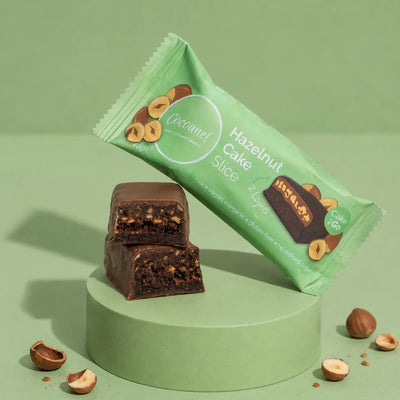 Hazelnut Cake Slice
from 3,20 €
 Coconut Cream Slice
from 3,20 €
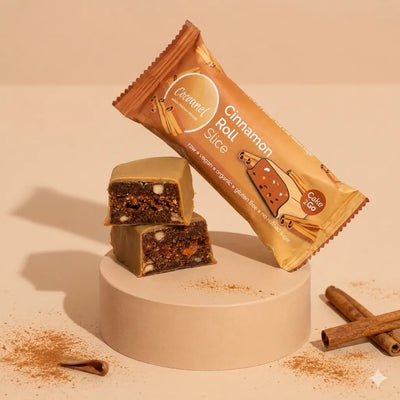 Cinnamon Roll Slice
from 3,20 €
View all
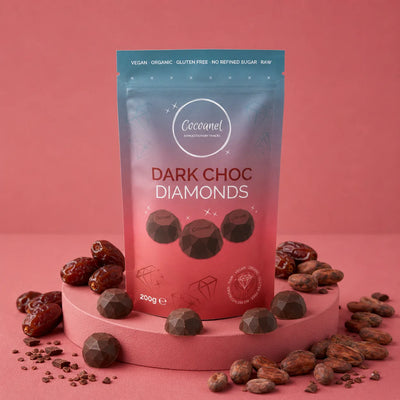 Dark Choc Diamonds
from 14,95 €
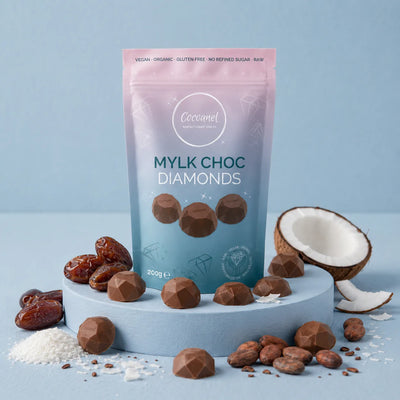 Mylk Choc Diamonds
from 14,95 €
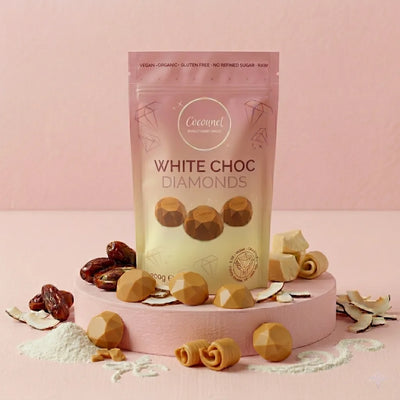 White Choc Diamonds
from 14,95 €
 Pink Choc Diamonds
from 14,95 €
View all
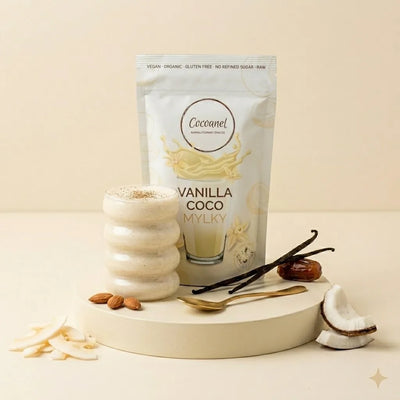 Vanilla Coco Mylky
from 14,00 €
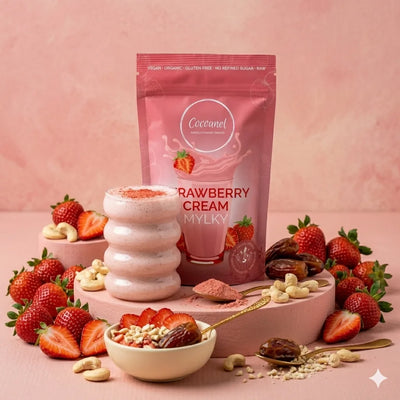 Strawberry Cream Mylky
from 14,00 €
 Hemp Choc Mylky
from 14,00 €
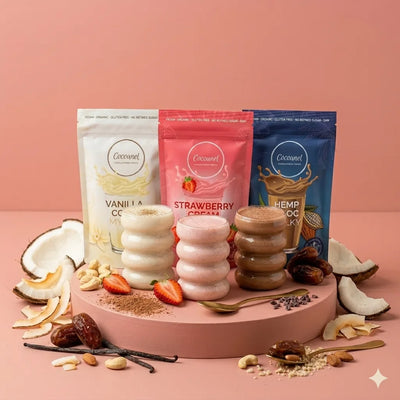 Mylky Bundle
from 39,00 €
View all
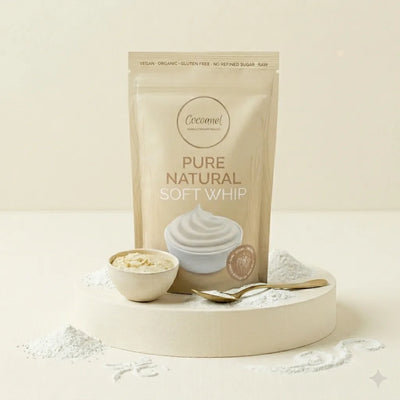 Pure Natural Soft Whip
from 19,95 €
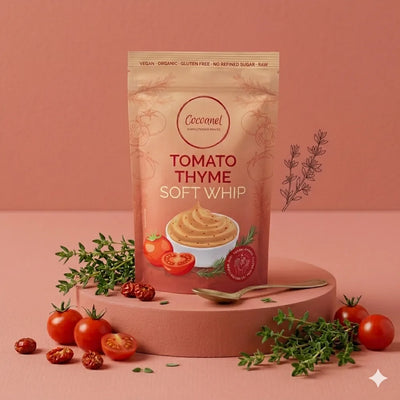 Tomato Thyme Soft Whip
from 19,95 €
 Herbal Onion Soft Whip
from 19,95 €
 Soft Whips Mixed Bundle
from 56,00 €
View all
Why fermented “foods” are harming you and what you should eat instead. This is almost always misunderstood!
 Lena Neureuther
Why your diet determines whether you are healthy or sick!

You should not consume “emergency food” when fresh food is available!
There are many opinions circulating in the world of nutrition—and at least as many misconceptions. One topic that is particularly often misunderstood is the difference between digestion and fermentation in the human body. While the latter is often marketed as healthy, a closer look reveals that fermentation in the body is by no means harmless—it can have serious consequences for your health.
To understand the difference, it helps to look at the basic biological processes:
Digestion is a highly complex enzymatic process. During this process, food is broken down into its individual components—that is, into nutrients such as amino acids, glucose, and fatty acids. These building blocks enter the bloodstream and are available to the body for energy and cell building. Importantly, this process produces very few harmful byproducts.
Fermentation begins when food is not properly broken down in the digestive tract. Instead, bacteria, yeasts, and fungi take over the breakdown. This produces substances such as alcohols, organic acids, and other toxic byproducts that the body cannot use—on the contrary, it must expend considerable effort to eliminate them. If this is not successful, inflammation, bloating, fatigue, and even chronic diseases can occur.
Many people associate the word fermentation with healthy foods such as sauerkraut or kombucha. But in the body, this process is more comparable to putrefaction. If fermentation products such as alcohol and acids are not eliminated quickly enough, they strain the organs, weaken the immune system, and can cause illness in the long term.
With a few simple but effective measures, you can ensure that your food is properly digested—and not fermented:
Foods such as kefir, kombucha, and sauerkraut are considered miracle cures in the mainstream health world—but the truth is different:
A prime example is kombucha—a fermented tea that is inoculated with a bacterial-yeast culture. Although it is celebrated in health circles, the fact remains: It is an over-fermented liquid full of microbes. If these microorganisms appeared on the skin, you would treat them as an infection—so why should they be healthy inside the body? They are not!
Our natural revulsion toward the smell of rot or fermenting food is a warning signal from the body. But in our modern world, these instincts are often overridden by advertising and culture. What is beautifully packaged seems healthy—even though, biologically speaking, the opposite is true.
Health begins on your plate. By giving your body fresh, natural, enzyme-rich food, you promote effective digestion—and prevent the formation of toxic fermentation products. Fermented products may be culturally traditional, but they are not a modern answer to our current needs.
Ask yourself at every meal: Do I want to give my body vitality—or harm it with fermented remnants of the past?

About the author
Dancer, nutrition trainer (B & A licence) and founder of Cocoanel. She writes about raw vegan food, sport and enjoyment without going without.
Nourished by Cocoanel
Knowledge, exchange and inspiration around the raw, natural lifestyle every week.

Read more
Health & NutritionGrapes - the most powerful fruit of all! This chance to naturally regenerate your body should never be...
 Health & Nutrition
The number one cause of death in Western countries: Far too little fruit consumption! Those who abstain from...
 Health & Nutrition
Fruit and fructose can never lead to fatty liver - here is the truth about fatty liver!
 Health & Nutrition
Carotenoid Warning: Why Persimmons Are Not Always Harmless.
 Health & Nutrition
Myths about raw food—unfortunately, there are quite a few. To avoid confusion and truly understand what is healthy...
 Health & Nutrition
Raw food vs. cooked food - what you need to know! Very important and crucial for your health.
Newsletter
Plus Lena’s 14-day e-book for changing your diet, with a meal plan. You’ll be the first to get new recipes and offers.